 EN

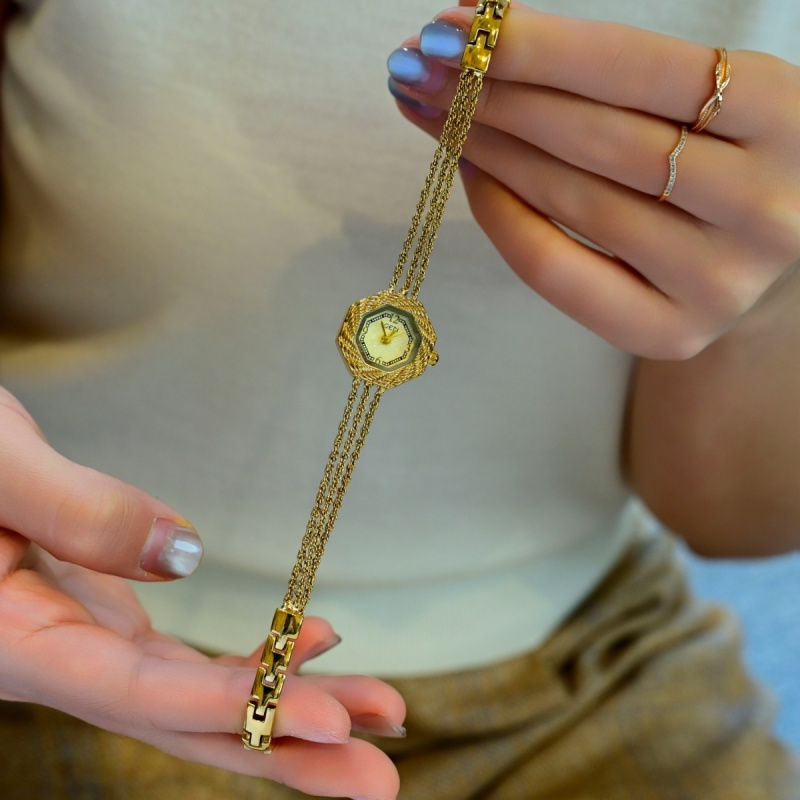
Deciphering the Shift in Global Wristwear Preferences
In the contemporary fashion horology sector, the physical components that secure a timepiece to the wrist have transitioned from secondary accessories to core structural declarations. Over the past several sales cycles, international procurement databases have recorded a pronounced shift toward durable, metal-clad aesthetics. This trend is not merely a transient wave of vintage appreciation; it represents a deep consumer realignment toward materials that combine substantial weight, hypoallergenic compliance, and long-term structural integrity. Today, analyzing the Market Demand for Stainless Steel Bracelet Watch Collections reveals that modern shoppers view a watch strap as an active component of their personal style expression and daily lifestyle resilience. For independent labels, fashion houses, and e-commerce channel operators, acknowledging this material preference is vital to capturing premium retail space. When design pipelines move away from lightweight, short-lived components toward resilient metallic structures, they immediately establish a foundation of perceived quality that enhances customer retention and drives repeat wholesale acquisitions.
Material Excellence: Demystifying Stainless Steel Chemistry
To appreciate why specific metal bands outperform others in global retail environments, one must examine the specific metallurgy underlying modern watch production. The overwhelming majority of budget-friendly fashion timepieces historically utilized low-grade alloys or zinc-based press metals, which quickly suffered from surface pitting when exposed to human perspiration. Conversely, high-performing contemporary collections rely on surgical-grade 316L stainless steel, a chromium-nickel-molybdenum alloy designed to resist localized pitting and crevice corrosion. Under testing protocols governed by the European REACH nickel release standard EN 1811, 316L stainless steel exhibits negligible nickel migration rates, ensuring that the watch band remains completely non-reactive on sensitive skin types. Furthermore, the mechanical resilience of this material permits ultra-precise machining, enabling individual link tolerances within a tight limit of plus or minus two-hundredths of a millimeter. This level of precise manufacturing prevents long-term link looseness, providing a cohesive drape around the wrist.
Commercial Viability and Market Positioning Strategies
For cross-border watch distributors, the decision to incorporate high-quality metal bracelets directly impacts wholesale margins and retail pricing architecture. A watch paired with a genuine, solid-link metal band typically commands a retail pricing premium that is double or triple that of its basic leather-strap counterpart, despite the marginal increase in bulk production expenses. This pricing leverage stems from the immediate visual and sensory weight that a polished metal band provides on a retail display tray or a digital product listing page. Additionally, metal bands drastically minimize return rates associated with rapid wear; unlike genuine leather, which can absorb oils, darken, and crack within months of daily wear, treated steel maintains its structural finish indefinitely. By capitalizing on the Market Demand for Stainless Steel Bracelet Watch Collections, growing boutiques can position themselves within the lucrative entry-level luxury pricing tier, avoiding the margin-eroding discount wars that characterize lower-end consumer markets.
Regional Aesthetic Adaptations and Retail Demographics
The global landscape of luxury watch purchasing is far from uniform, meaning that metal band portfolios must be strategically tailored to suit local market demographics. In North American and Western European wholesale channels, the dominant demand favors brushed surfaces with contrasting polished chamfers, emphasizing a sporty, architectural aesthetic that shifts easily from active business environments to casual weekend wear. In contrast, emerging luxury channels across Latin America and Southeast Asia exhibit a strong preference for multi-link configurations, such as classic five-link Jubilee designs featuring high-purity vacuum gold plating. Successfully catering to these distinct regional preferences while maintaining standardized internal bracelet deployment interfaces requires massive technical coordination. Wholesale buyers should look for production systems that offer modular end-link designs, which allow a single watch head to seamlessly pair with leather, mesh, or solid steel bracelets according to real-time regional sales feedback.
Quality Control Benchmarks on the Production Floor
True quality in watchmaking is proven under rigorous stress testing, long before a product ever reaches a consumer's hands. During our extensive product assembly experience, we have found that the longevity of a metal band is decided by the strength of its connection pins and deployment buckles. High-quality production lines utilize double-button safety butterfly clasps that undergo fifty-thousand continuous cycle opening and closing stress tests. Moreover, complete watch bands must endure simulated perspiration salt-spray testing for at least forty-eight hours to guarantee that passive anti-oxidation layers remain intact during sea cargo transit. Every link link is subjected to direct tensile pull testing to ensure that the band can withstand sudden physical stress without breaking. These meticulous, behind-the-scenes processes turn an ordinary fashion item into an enduring legacy watch, showing why engineering rigor must always support aesthetic creativity.
Integrating Creative Vision with Robust Global Logistics
Sustaining a highly responsive retail operation in today’s fast-moving horological market requires a production partner that bridges creative concepts with world-class shipping solutions. This is where advanced manufacturing and logistics operations like Xilulai become highly valuable to global brands. Based in a prominent hub of precision manufacturing, Xilulai provides comprehensive, end-to-end B2B solutions, combining high-speed prototype stamping with temperature-controlled logistics networks. By integrating advanced raw material verification, high-speed multi-axis machining, and systematic quality assurance under one operational system, the facility eliminates traditional production delays and quality variations. For growing brands looking to capture expanding consumer trends and scale their international presence, partnering with a proven manufacturing partner ensures that every bracelet watch delivered to a customer's door represents a perfect blend of style, mechanical reliability, and structural longevity.
Table of Contents
- Deciphering the Shift in Global Wristwear Preferences
- Material Excellence: Demystifying Stainless Steel Chemistry
- Commercial Viability and Market Positioning Strategies
- Regional Aesthetic Adaptations and Retail Demographics
- Quality Control Benchmarks on the Production Floor
- Integrating Creative Vision with Robust Global Logistics