 EN

Redefining Modern Wristwear Beyond Pure Ornamentation
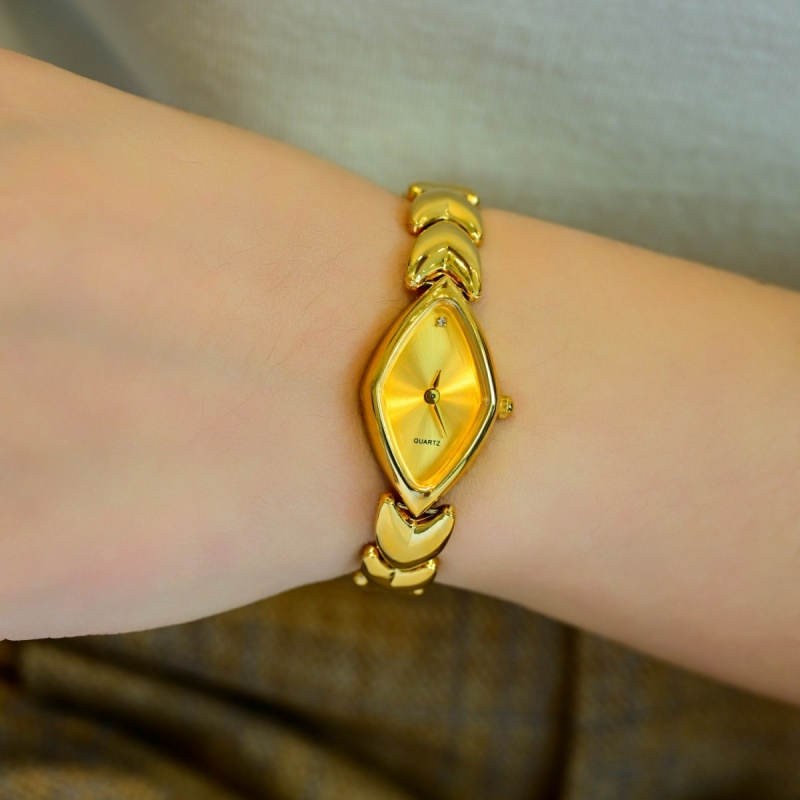
For decades, the global watch industry seemed divided into two rigid camps: utilitarian timekeepers built strictly around durability, and runway-inspired jewelry pieces that often sacrificed internal mechanics for superficial shine. Today, however, international buyers and modern consumers refuse to accept that false trade-off. A wristwatch is expected to serve as a personal style signature while delivering unwavering mechanical reliability through seasons of continuous wear. Meeting these evolving expectations means rethinking how decorative cases and movement housings coexist. Today, achieving the ideal formula for Balancing Style and Function in Global Fashion Watches requires far more than aesthetic compromises. It demands an integrated design process where case geometry, dial weight, and inner movement brackets are conceived simultaneously rather than as afterthoughts. When fashion labels introduce vintage bracelets, emerald-cut bezels, or delicate mesh bands, the underlying engineering must silently safeguard everyday usability, ensuring that delicate dimensions do not result in fragile construction.
Technical Nuances: Movements, Materials, and Longevity
True durability in decorative wristwear is anchored in material science and calibrated mechanics. At the heart of high-performing fashion watches sits the electronic quartz movement, predominantly sourced from Japanese precision manufacturers such as Miyota and Seiko Epson. These calibers offer remarkable accuracy, typically within fifteen seconds per month, while maintaining low power consumption that allows batteries to operate continuously for two to three years. Surrounding this mechanical core, the case material plays a decisive protective role. Premium vintage-styled pieces frequently utilize high-density solid copper or surgical-grade 316L stainless steel as their foundational chassis. To achieve the deep, luminous luster of vintage gold without risking premature wear, vacuum ion plating or multi-layer rack plating with real gold finishes is essential. In accordance with ISO 22810 international water resistance standards, modern fashion cases incorporate specialized ethylene-propylene gaskets around the crown and caseback, providing everyday water resistance against sudden rainfall, hand washing, and ambient humidity.
Strategic Sourcing and Market-Responsive Design
Developing a competitive global watch line involves balancing design originality with commercial agility. Traditional luxury timepieces operate on multi-year development cycles, but global fashion trends evolve across quarterly seasons. Retailers, boutique labels, and cross-border e-commerce brands need agile production ecosystems capable of translating social sentiment into physical merchandise within tight windows. This agility requires modular case tooling, rapid prototype iteration, and accessible minimum order quantities. When brands develop bespoke collections—such as art-deco geometric dials, synthetic opal backdrops, or prong-set Czech crystal bezels—the technical blueprints must account for manufacturing yield rates. By aligning modular components with proven caliber configurations, lifestyle brands effectively minimize upfront tooling expenses, compress time-to-market, and mitigate the dangerous dead-stock inventories that frequently erode retail profitability in dynamic international markets.
Navigating Global Consumer Expectations Across Borders
Consumer expectations for fashion timepieces vary dramatically across regional territories, demanding nuanced catalog planning from international watch merchants. In Western European and North American markets, buyers frequently gravitate toward vintage minimalism: clean dial typography, slender silhouette profiles under eight millimeters, and hypoallergenic coatings certified under strict REACH and RoHS chemical safety protocols. Conversely, Middle Eastern and Latin American consumers often celebrate expressive wrist presence, showing sustained enthusiasm for radiant gold plating, intricate micro-pave rhinestone settings, and striking gemstone-inspired dial textures. In East Asian markets, particularly Japan and South Korea, the dominant preference leans heavily toward delicate bangle-style wristwatches that double as fine jewelry accessories for formal and daily professional attire. Successfully catering to these diverse aesthetics while maintaining consistent internal mechanical specifications across hundreds of stock-keeping units requires structured manufacturing expertise and refined market insight.
Practical Benchmarks from Factory Floor to Retail Shelf
Decades of hands-on horological assembly reveal that product longevity hinges on tiny production details that rarely appear in promotional renderings. Consider the delicate placement of Czech rhinestones and synthetic opal dials: if stones are secured purely with low-grade chemical adhesives, rapid thermal shifts during international air cargo transit or tropical humidity exposure will trigger adhesive failure. Experienced watchmakers avoid this risk by employing precision prong-setting techniques and micro-mechanical bezel recesses that physically lock gemstones in place. Similarly, synthetic opal dials require calibrated tolerance spacing to prevent hairline fractures during rapid temperature swings. Every completed batch must undergo systematic testing, including multi-axis drop simulation, artificial perspiration corrosion chambers, and vacuum leak testing. Ultimately, successfully Balancing Style and Function in Global Fashion Watches is not about choosing between runway aesthetics and industrial durability; it is about embedding rigorous quality management into every phase of the manufacturing workflow.
Building Resilient Supply Ecosystems in Contemporary Horology
Sustaining commercial growth in the modern watch arena requires a dependable supply chain capable of bridging imaginative creative concepts with industrial precision. Specialized manufacturing centers equipped with dedicated design workshops, constant-temperature storage facilities, and systematic quality assurance protocols empower global distributors to scale with confidence. Agile original equipment manufacturers such as Xilulai provide the integrated infrastructure necessary to turn vintage-inspired concepts into shelf-ready collections exported worldwide. By coordinating high-precision metal stamping, jewel setting, movement calibration, and customized packaging within a unified production pipeline, modern horological facilities eliminate fragmented lead times and quality variances. As international lifestyle brands seek to elevate customer retention and expand into new territories, partnering with proven production ecosystems ensures that every timepiece delivered to a consumer's wrist reflects both artistic elegance and enduring mechanical integrity.
Table of Contents
- Redefining Modern Wristwear Beyond Pure Ornamentation
- Technical Nuances: Movements, Materials, and Longevity
- Strategic Sourcing and Market-Responsive Design
- Navigating Global Consumer Expectations Across Borders
- Practical Benchmarks from Factory Floor to Retail Shelf
- Building Resilient Supply Ecosystems in Contemporary Horology