 EN

Where Haute Horology Meets Fine Decorative Art
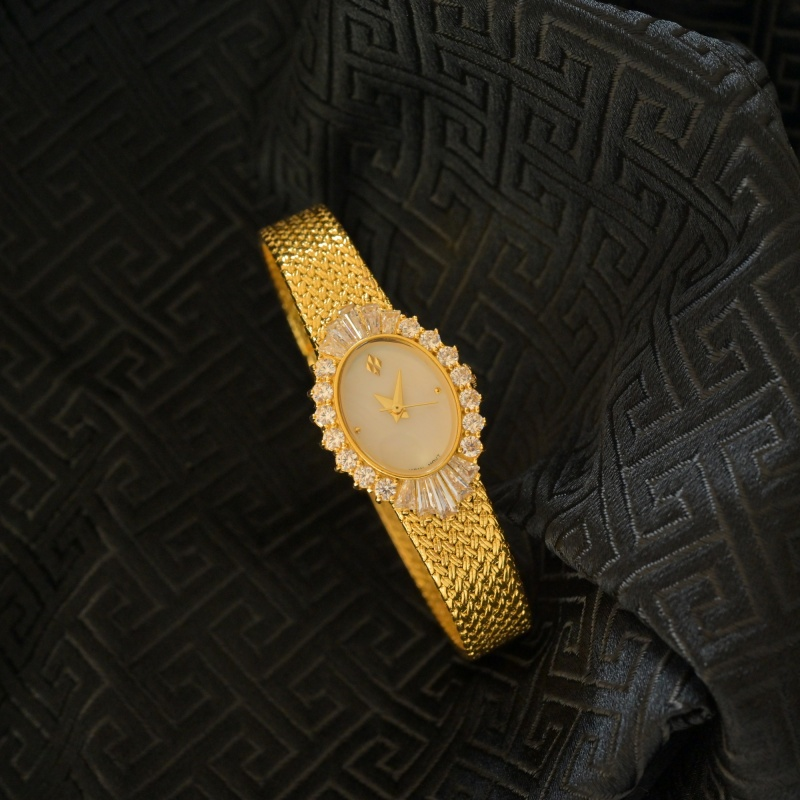
The creative boundary separating fine heirloom jewelry from precision timekeeping instruments has always been wonderfully fluid. During the golden eras of European craftsmanship—spanning the late Edwardian period through the architectural peak of Art Deco in the nineteen-twenties and nineteen-thirties—wristwatches were never conceived as mere industrial utility gauges. Instead, master jewelers approached the female wrist as an intimate sculptural canvas, weaving miniature mechanical calibers into intricate tapestries of precious metal, enamel work, and faceted gemstones. Today, this cross-disciplinary philosophy remains the undisputed gold standard for creating high-margin fashion accessories that effortlessly transcend short-lived seasonal fads. When product developers and wholesale buyers study the Design Elements of Timeless Vintage Jewelry Pieces, they uncover a sophisticated visual vocabulary built on balanced proportion, tactile surface texture, and deliberate light manipulation. Understanding how these classical pillars interact allows modern watch brands to craft collections that feel like cherished family treasures from the very first day they are worn.
Architectural Geometry and Classical Case Proportions
Enduring aesthetic appeal in ladies' wristwear always begins with disciplined geometric harmony and scale restraint. Unlike contemporary athletic or unisex watches that rely on bulky, forty-millimeter circular cases to command visual attention, classic jewelry timepieces achieve unmistakable elegance through petite dimensions and architectural variety. Iconic vintage silhouettes—such as the elongated curved tonneau, the stepped octagonal emerald cut, the delicate pointed marquise, and the softly rounded cushion case—rely on length-to-width ratios closely aligned with the classical golden section. By keeping case diameters between sixteen and twenty-four millimeters and slimming the overall vertical profile down to under seven millimeters, the watch head integrates seamlessly into the contour of the bracelet rather than overpowering the slender bone structure of the wrist. Furthermore, stepped bezels and sculpted Art Deco lugs create crisp shadow lines that give miniature cases remarkable three-dimensional depth, proving that lasting visual presence is achieved through refined silhouette rather than sheer physical mass.
Optical Brilliance: Faceted Glass and Gemstone Accents
Dynamic light interaction is the lifeblood of any memorable piece of fine jewelry. In vintage-inspired watchmaking, optical brilliance is engineered through a carefully choreographed duet between the protective crystal lens and the surrounding stone embellishments. Rather than fitting flat, uninspiring window glass, timeless jewelry watches frequently incorporate multi-faceted mineral glass lenses bevel-cut like fine diamonds around their perimeter. As ambient room light passes through these angled facets, it casts mesmerizing prismatic reflections across the dial beneath. This optical sparkle is further amplified by framing the bezel or articulated lugs with precision-cut Czech rhinestones secured in delicate four-prong or recessed channel settings. When combined with organic, light-shifting dial surfaces—such as fiery synthetic opal, iridescent white mother-of-pearl, or deeply embossed sunray guilloche plates—the entire timepiece comes alive with subtle movement, capturing admiration from across a room without ever appearing gaudy or overstated.
Tactile Metalwork: Milgrain Borders and Articulated Links
A truly timeless piece of wrist jewelry must gratify the physical sense of touch just as deeply as it pleases the eye. When examining museum archival designs, one immediately notices that master vintage metalwork rarely leaves broad expanses of flat, unworked metal exposed to harsh glare. Toolmakers enrich the metallic chassis through micro-architectural detailing: delicate milgrain beading along bezel edges, coin-edge fluting around the case band, and intricate rope-twist borders that frame the dial like a renaissance portrait. Equally critical is the mechanical articulation of the bracelet itself. Whether crafted as a finely woven Milanese mesh ribbon, a hollow filigree link chain, or a contoured hinged bangle, each metallic segment must pivot with silky fluidity. In high-grade solid copper and brass fabrication, achieving this supple drape requires thorough internal deburring and multi-stage hand polishing inside every single hinge joint, ensuring the bracelet glides smoothly over the skin without pinching hairs or feeling stiff.
Chromatic Harmony and Vintage Patina Calibration
Color theory plays a quiet yet decisive role in separating enduring luxury designs from disposable costume jewelry. While bright, mirror-cold chrome or overly yellow flash finishes often feel sterile and artificial under retail display lighting, timeless jewelry pieces lean into warm, inviting metallic temperatures. The multi-generational popularity of antique yellow gold, soft champagne gold, brushed bronze, and muted rose gold stems from their natural ability to flatter a wide spectrum of human skin tones. To pair harmoniously with these warm metallic frames, vintage dial color palettes traditionally draw from regal, nature-inspired jewel hues: deep emerald green, royal sapphire blue, burgundy wine, and warm ivory enamel. When evaluating the Design Elements of Timeless Vintage Jewelry Pieces on the factory sampling table, experienced electroplating engineers pay obsessive attention to bath chemistry and immersion timing, ensuring that the real-gold vacuum coating exhibits a rich, buttery depth rather than a harsh, brassy glare.
Translating Archival Aesthetics into Scalable Production
Bringing these intricate decorative elements together into an accessible, commercially scalable product line requires extraordinary coordination between artistic designers and precision horological machinists. A romantic design sketch featuring diamond-faceted glass, milgrain bezels, synthetic opal dials, and hand-set Czech crystals can easily fall apart during mass production if the manufacturing facility lacks specialized jewelry-making heritage. This is precisely why international fashion houses, boutique labels, and wholesale distributors turn to seasoned manufacturers like Xilulai to execute their vintage jewelry watch collections. By housing dedicated mold engraving workshops, skilled stone-setting artisans, authentic Japanese quartz movement assembly lines, and advanced vacuum plating facilities within a unified production ecosystem, Xilulai transforms complex archival inspirations into reliable, high-margin timepieces. Backed by a vast library of original designs, large ready-to-ship inventory, and stringent quality verification at every station, partnering with Xilulai ensures that every piece radiates authentic, timeless sophistication.
Table of Contents
- Where Haute Horology Meets Fine Decorative Art
- Architectural Geometry and Classical Case Proportions
- Optical Brilliance: Faceted Glass and Gemstone Accents
- Tactile Metalwork: Milgrain Borders and Articulated Links
- Chromatic Harmony and Vintage Patina Calibration
- Translating Archival Aesthetics into Scalable Production