 EN

Cultural Nostalgia and the Shift Away from Smart Screens
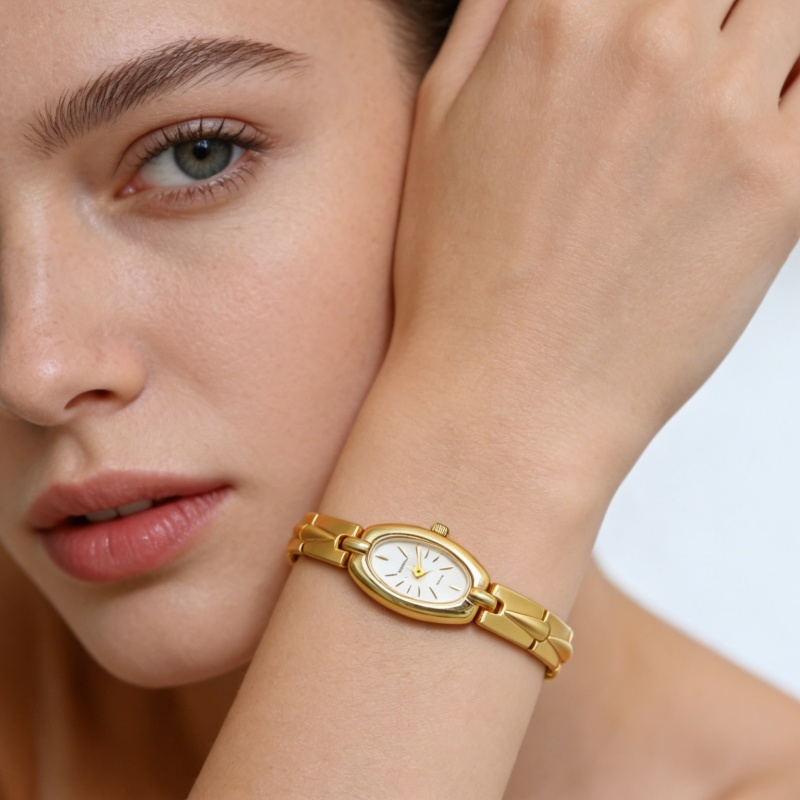
Walk through any premier fashion district from Milan to Tokyo today, and a striking pattern emerges on the wrists of style-conscious consumers. After a decade dominated by glowing silicon wristbands and notification-heavy smart devices, buyers are actively reclaiming mechanical tranquility and classic aesthetics. Shoppers are experiencing palpable digital fatigue; the last thing many professionals want during an evening social gathering is an illuminated rectangle buzzing with incoming corporate emails. Instead, fashion enthusiasts are turning back to mid-century design codes—petite oval cases, Roman numeral dials, and warm gold tones that feel personal and grounded. When market analysts examine Why Demand for Vintage Watches is Increasing? they quickly realize that this movement is driven by a desire for permanence in an era of disposable electronics. Consumers want accessories that tell a story of heritage and poise rather than broadcasting their daily step count.
Modern Engineering Inside Neo-Vintage Silhouettes
While authentic twentieth-century estate watches carry undeniable romantic appeal, they present severe practical headaches for everyday wearers and commercial retailers alike. True antique timepieces frequently suffer from magnetized hairsprings, degraded moisture seals, brittle acrylic crystals, and discontinued replacement parts that make after-sales servicing a nightmare. Modern horological engineering solves this dilemma through neo-vintage manufacturing: pairing authentic historical silhouettes with contemporary internal mechanics. By housing reliable Japanese quartz movements—such as ultra-slim Miyota calibers—inside solid copper or stainless steel cases, manufacturers eliminate the fragility of antique mainsprings. Furthermore, modern vacuum ion plating replicates the warm, mellow patina of eighteen-karat heirloom gold without rubbing off after a single season. Advanced mineral glass cutting allows watchmakers to produce classic domed profiles and faceted emerald-cut lenses that resist everyday scratches while maintaining crystal-clear dial legibility.
Gen Z, Quiet Luxury, and Social Media Visual Culture
Another powerful engine driving retro wristwear sales is the demographic shift led by Generation Z and younger millennial buyers. Contrary to early assumptions that digital natives would exclusively wear tech gadgets, younger demographics have championed the aesthetic movements known as Quiet Luxury and Old Money style across visual platforms like TikTok and Instagram. These consumers gravitate toward petite, jewelry-inspired timepieces—typically featuring case widths between eighteen and twenty-six millimeters—that stack effortlessly alongside gold bangles and tennis bracelets. When retail strategists evaluate Why Demand for Vintage Watches is Increasing? across online boutique channels, they point to the high versatility of retro designs. A delicate tonneau-shaped watch with a synthetic opal dial or subtle Czech rhinestone bezel transitions seamlessly from university lectures and creative studios to formal dinner parties, offering immense cost-per-wear value for budget-conscious yet aesthetically demanding shoppers.
Commercial Margins and Inventory Longevity for Retailers
From a wholesale procurement perspective, vintage-inspired collections offer commercial stability that fast-fashion seasonal novelty items simply cannot match. Trend-chasing oversized watches or neon-colored plastic straps often suffer from steep markdown pressures within ninety days of launch if social media attention shifts elsewhere. Retro horology, by contrast, relies on time-tested proportions derived from Art Deco geometry and mid-century European jewelry archives. Because these visual codes have remained desirable for nearly a century, inventory obsolescence risk drops dramatically. Retailers can carry core vintage SKU lines across multiple fiscal quarters without resorting to margin-eroding clearance sales. Moreover, the intricate detailing of vintage pieces—such as guilloche-patterned dials, cabochon-crowned winders, and ornate link bracelets—supports a significantly higher perceived retail value, allowing independent boutiques and cross-border e-commerce stores to command healthy gross margins between sixty and seventy-five percent.
Workshop Realities: Executing Authentic Retro Finishes
Creating a convincing vintage watch on a modern production line requires specialized tooling and disciplined surface treatment protocols. In factory assembly environments, the most common mistake made by inexperienced suppliers is applying overly bright, mirror-like flash plating that looks cheap and artificial under retail spotlights. Achieving an authentic heirloom look requires multi-stage tumbling and fine abrasive brushing on solid copper bases prior to real-gold electroplating, softening sharp stamped edges so the metal feels naturally aged to the touch. Dial fabrication demands equal precision: printing crisp railroad minute tracks or applying miniature raised brass indices onto curved dial plates requires pneumatic pad-printing calibration within fractions of a millimeter. Even the crown assembly must be carefully proportioned so that delicate, vintage-sized stems still house high-density rubber O-rings capable of passing standard atmospheric pressure water-resistance testing before leaving the workshop.
Partnering with Specialized Supply Chains for Retro Collections
Capitalizing on the global resurgence of heritage wristwear requires a manufacturing partner that understands both delicate jewelry aesthetics and rigorous industrial scalability. Producing intricate retro cases, setting miniature Czech crystals, and maintaining ready-to-ship inventory across hundreds of classic styles demands deep vertical integration. Forward-thinking watch brands and international wholesalers increasingly rely on experienced production hubs like Xilulai to bridge creative archival design with commercial execution. Equipped with an independent design studio, dedicated metalworking lines, and a massive climate-controlled warehouse facility, Xilulai enables global retailers to source authentic vintage-style quartz watches with flexible minimum order quantities and rapid fulfillment turnaround. By anchoring product development within a proven manufacturing ecosystem, fashion labels can confidently expand their retro timepiece offerings and build lasting brand loyalty across diverse international markets.
Table of Contents
- Cultural Nostalgia and the Shift Away from Smart Screens
- Modern Engineering Inside Neo-Vintage Silhouettes
- Gen Z, Quiet Luxury, and Social Media Visual Culture
- Commercial Margins and Inventory Longevity for Retailers
- Workshop Realities: Executing Authentic Retro Finishes
- Partnering with Specialized Supply Chains for Retro Collections