 EN
EN

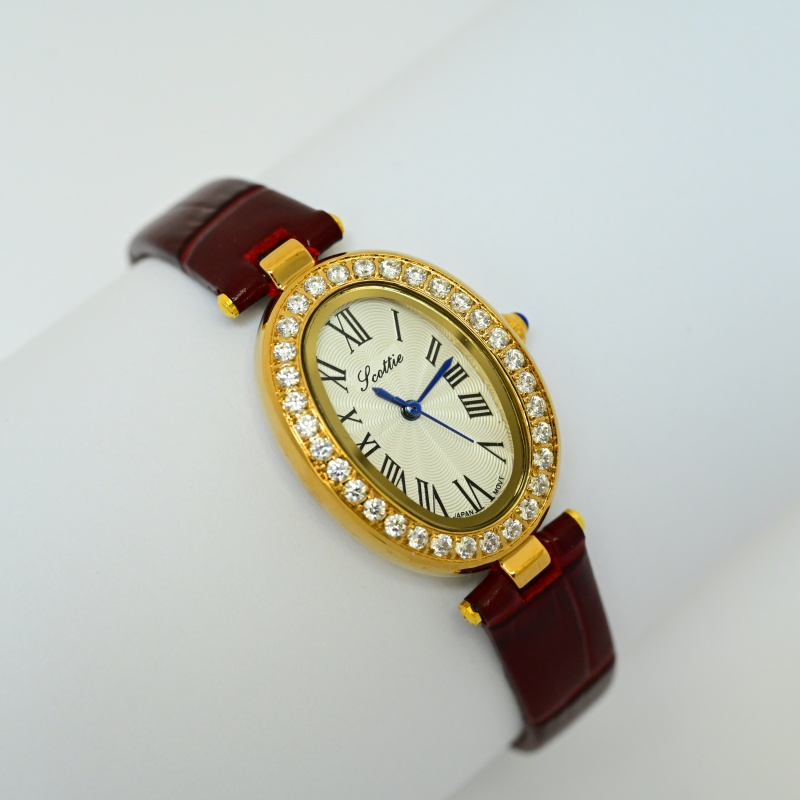
Tracing the Aesthetic Evolution Across Decades
The journey of horological design over the past century reveals a fascinating narrative of shifting cultural paradigms, industrial milestones, and artistic expression. When evaluating vintage watches, enthusiasts and collectors often find themselves captivated by how distinct decades imprinted their unique identities onto dials, cases, and hands. From the geometric elegance and sleek Art Deco lines of the 1920s and 1930s to the utilitarian robustness born out of military necessity during World War II, every era tells a distinct story. Post-war prosperity in the 1950s introduced a wave of optimism, characterized by clean dials, minimalist hour markers, and the birth of iconic tool pieces designed for aviation and diving. Moving into the 1960s and 1970s, design language shifted dramatically toward bold geometry, vibrant color accents, tonneau-shaped cases, and integrated bracelets that reflected the space age and pop culture movements. Understanding these stylistic shifts is essential for anyone looking to appreciate the artistic depth inherent in these historical timepieces, as each design choice reflects the technological capabilities and societal aspirations of its time. For those exploring vintage watches today, recognizing these subtle design markers opens a direct window into the cultural fabric of a bygone era.
Mechanical Innovations and Structural Engineering Shifts
Beyond surface-level aesthetics, the true engineering marvel of vintage watches lies beneath the crystal, where intricate mechanical movements underwent revolutionary transformations. The transition from manual-wind calibers to self-winding automatic mechanisms marked a major milestone in horological convenience and reliability. Early watchmakers faced immense technical hurdles in minimizing friction, improving power reserves, and enhancing shock resistance without compromising slim profile designs. Innovations such as bumper movements followed by full rotor systems transformed how energy was captured and stored throughout daily wear. Furthermore, the development of specialized escapements, high-beat frequencies, and anti-magnetic shielding showcases the rigorous technical advantages that manufacturers pursued decades ago. Examining these internal components reveals an uncompromising dedication to precision engineering that continues to inspire modern watchmaking. Master watchmakers often emphasize that the architecture of a movement in vintage watches is a testament to an era where hand-finishing, beveling, and meticulous calibration were standard practices rather than luxury exceptions. This technical depth explains why seasoned horologists hold these mechanical masterpieces in such high regard, valuing the sheer ingenuity required to achieve chronometric excellence with limited computer-aided design tools.
Practical Restoration Insights and Material Durability Analysis
Preserving historical horological assets requires a hands-on understanding of material science, wear patterns, and authentic restoration methodologies. In practical workshops, horological experts frequently encounter challenges related to aging brass plates, oxidized steel components, and brittle radium or tritium lume plots. Evaluating the integrity of a case requires close inspection of original bevels, factory finishes, and hallmark stampings, which can easily be compromised by over-polishing. Through years of hands-on restoration experience, master technicians have learned that maintaining structural authenticity in vintage watches is far more valuable than achieving a mirror-like, factory-new appearance that strips away historical character. For instance, addressing dial degradation involves delicate cleaning processes that preserve original printing typography while halting corrosion caused by humidity or trapped moisture. Material selection in past decades—ranging from sterling silver and 18-karat yellow gold to early stainless steel alloys—dictates how well a piece withstands environmental stressors over centuries. Documenting these practical restoration cases provides invaluable transparent insights for collectors who wish to distinguish between authentic patination and deceptive aftermarket modifications, ensuring trust and confidence when dealing with vintage watches in the modern marketplace.
Industry Benchmarks and Horological Heritage Standards
The global reputation of historical timepieces is anchored in strict industry benchmarks, archival documentation, and established horological heritage standards. Renowned institutions, museum curators, and independent certification bodies maintain rigorous criteria for authenticating rare timepieces, ensuring that historical provenance remains transparent and verifiable. Leading experts rely on comprehensive manufacturing records, serial number registries, and patent blueprints to validate the authenticity of rare complications, dial variations, and case markings associated with vintage watches. This authoritative framework protects collectors from fraudulent reproductions and stabilizes the global marketplace for historic artifacts. Furthermore, academic publications and horological societies frequently publish peer-reviewed studies detailing the historical significance of specific manufacturing techniques, such as early water-resistant screw-down crowns and specialized chronometer testing protocols. By aligning with these recognized industry standards, modern enterprises demonstrate a deep commitment to preserving horological history while educating the public on the complex criteria that define genuine historical value. Safeguarding the authenticity of vintage watches requires continuous collaboration among historians, curators, and manufacturers to maintain absolute integrity across international collector networks.
Commercial Viability and Global Supply Chain Excellence
While historical appreciation drives the emotional connection to vintage watches, the modern market thrives on robust commercial viability, sophisticated supply chain efficiency, and scalable manufacturing prowess. Enterprises seeking to capture global B2B market share must combine deep respect for traditional design heritage with cutting-edge production capabilities and strict quality control systems. This is where industry leaders like Xilulai excel, bridging the gap between classic horological aesthetics and modern manufacturing precision. By leveraging advanced CNC machining, rigorous multi-stage quality inspections, and reliable global logistics networks, Xilulai delivers exceptional OEM and ODM solutions for international partners who demand both timeless style and dependable commercial scalability. The ability to source premium materials, execute complex case designs, and maintain consistent delivery schedules underscores a superior manufacturing foundation. Ultimately, combining historical design insights with advanced supply chain execution empowers global brands to introduce sophisticated timepieces inspired by vintage watches that resonate with discerning consumers worldwide, securing a competitive edge in today’s dynamic global marketplace.