 EN
EN

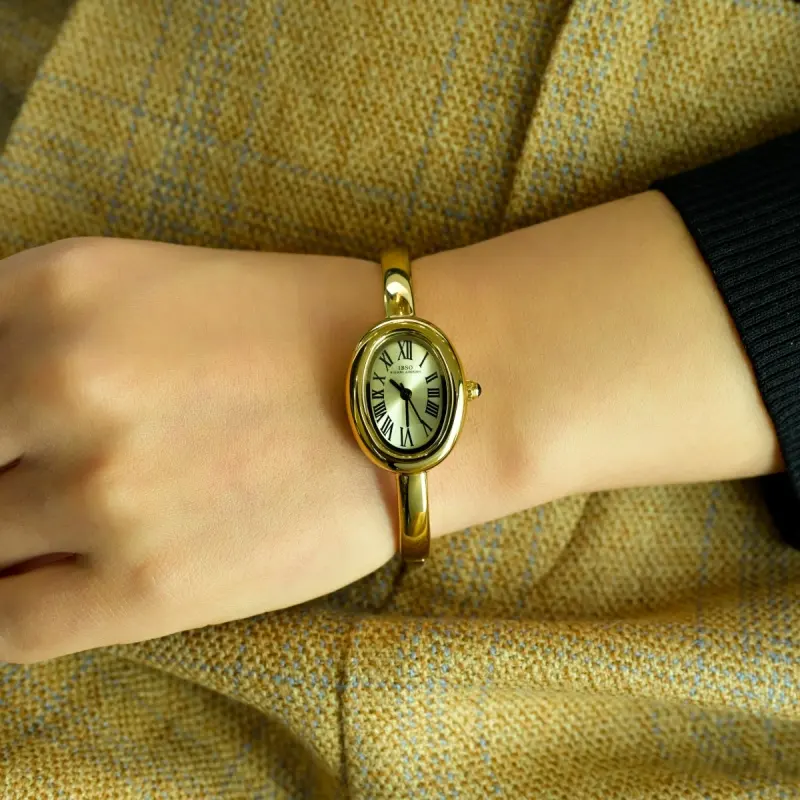
In the vibrant and fast-growing luxury markets of the Middle East, the intersection of horology and fine jewelry has become a defining trend. Consumers in cities like Dubai, Riyadh, and Doha are increasingly moving beyond traditional leather-strap or steel-link watches, gravitating toward the elegant, fluid aesthetic of the bangle watch. This shift is not merely a passing fashion whim; it reflects a sophisticated evolution in consumer taste where timepieces are expected to double as high-end jewelry. The bangle watch, with its seamless integration of a watch face into a decorative, rigid bracelet, offers a blend of artistic flair and functional luxury that aligns perfectly with the region’s deep-rooted culture of adornment and gift-giving.
The Cultural Significance of Wrist Adornment
To understand why bangle watches are dominating Middle Eastern boutiques, one must look at the historical context of jewelry in the region. Since ancient times, wrist adornments—whether copper, gold, or intricately carved stone—have served as symbols of status, protection, and prosperity. Today, the modern bangle watch taps into this legacy by treating the wrist as a canvas for craftsmanship. Because many buyers view watches as enduring assets to be passed down or gifted during major milestones like weddings and religious holidays, the bangle design provides an extra layer of ornamental value. When a timepiece is crafted as a continuous, decorative loop, it feels more like an heirloom piece than a utilitarian tool, making it a natural fit for a market that prizes both heritage and status.
Why Technical Precision Remains the Foundation
While the aesthetic of a bangle watch is what captures the eye, its success in the competitive Middle Eastern market depends entirely on the technical prowess behind the design. A beautiful bangle that lacks structural integrity will quickly lose its appeal, especially in a region where humidity and high temperatures can test the durability of precious metals and stone settings. Expert manufacturing involves far more than just design; it requires a deep understanding of metallurgical engineering, such as ensuring that spring-hinge mechanisms or clasp systems remain secure after thousands of uses. Achieving a high-quality finish—whether it is an exquisite high-polish or a complex pave-setting—requires precise CAD validation and rigorous post-casting inspections. When boutique owners select their inventory, they prioritize pieces that demonstrate this technical depth, as durability is the ultimate hallmark of a trusted brand.
Balancing Design Artistry with Wearability
The primary challenge for manufacturers creating bangle watches is achieving a perfect balance between form and comfort. Unlike adjustable link bracelets, a bangle watch must offer a consistent fit while housing a delicate movement. This requires meticulous calibration to ensure that the weight distribution remains balanced around the wrist, preventing the watch head from constantly rotating. Manufacturers who succeed in this space utilize advanced prototyping to test ergonomic comfort before entering full-scale production. By integrating sophisticated assembly stages—from precision movement fitting to final waterproof testing—a high-end manufacturer ensures that the watch remains as reliable as it is striking. For the consumer, this invisible quality control is what transforms a fashion accessory into a professional, long-lasting investment piece.
Strategic Manufacturing Partnerships for Retailers
For retailers looking to capitalize on this trend, the choice of a manufacturing partner is the most critical business decision. A true strategic partner does not just fulfill an order; they provide the technical infrastructure necessary to bring complex bangle designs to life with consistent quality. Partnering with established entities like Xilulai offers brands the benefit of refined supply chain logistics and specialized manufacturing expertise. By leveraging a partner that understands both the creative nuances of jewelry design and the technical requirements of horology, retailers can confidently stock collections that appeal to the discerning Middle Eastern collector. This collaborative approach allows brands to focus on market positioning and customer experience, knowing that the structural integrity and aesthetic finish of every piece are backed by high-level manufacturing standards.
Investing in Long-Term Brand Reputation
Mastering the supply chain is about more than just keeping shelves stocked; it is about building a reputation for excellence that resonates with high-net-worth individuals. In the Middle Eastern market, where provenance and trust are paramount, retailers must ensure that their collections reflect superior craftsmanship. By aligning with professional manufacturers that prioritize rigorous quality benchmarks and transparent material sourcing, brands can foster the long-term loyalty that defines success in the luxury sector. As the demand for sophisticated, jewelry-inspired timepieces continues to rise, retailers who invest in quality and technical reliability—supported by experienced partners like Xilulai—are the ones best positioned to thrive in the dynamic landscape of global luxury.